Architecture
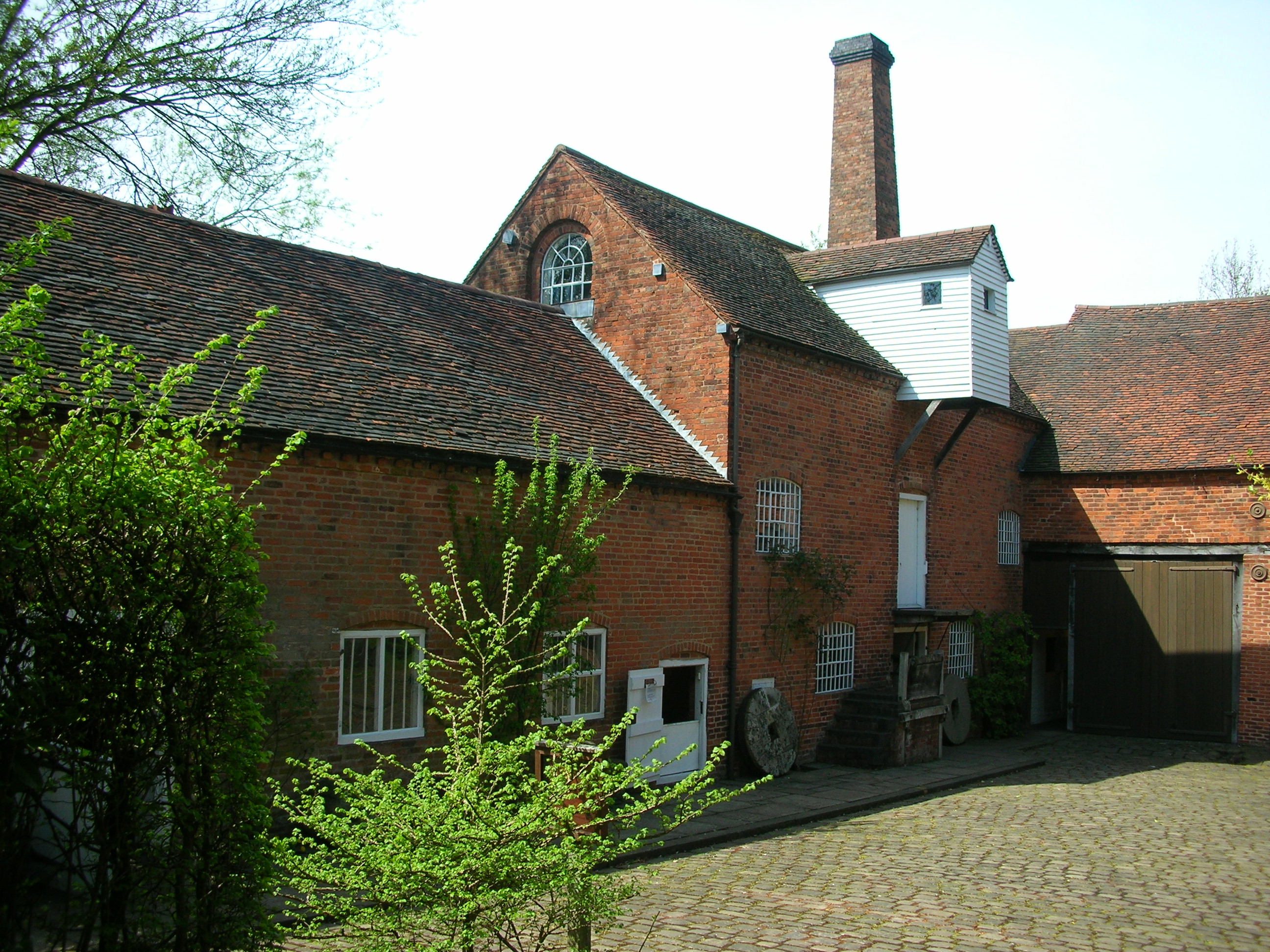
Water Mills of the Apennines: Architecture and Function
A detailed look at how Apennine millers adapted overshot and undershot wheel designs to the steep, seasonal streams of central Italy.
Stream Mills & Waterway History
For centuries, small grain mills tucked along mountain streams were the backbone of rural food production across the Apennines and the Po Valley. This archive traces their construction, hydraulic logic, and cultural role.

Three long-form pieces on the engineering, history, and social function of water mills in Italy.
Architecture
A detailed look at how Apennine millers adapted overshot and undershot wheel designs to the steep, seasonal streams of central Italy.

Hydraulic Engineering
How medieval mill operators dug lateral channels, built timber weirs, and rerouted streams to guarantee a reliable headrace even in dry summers.
Rural History
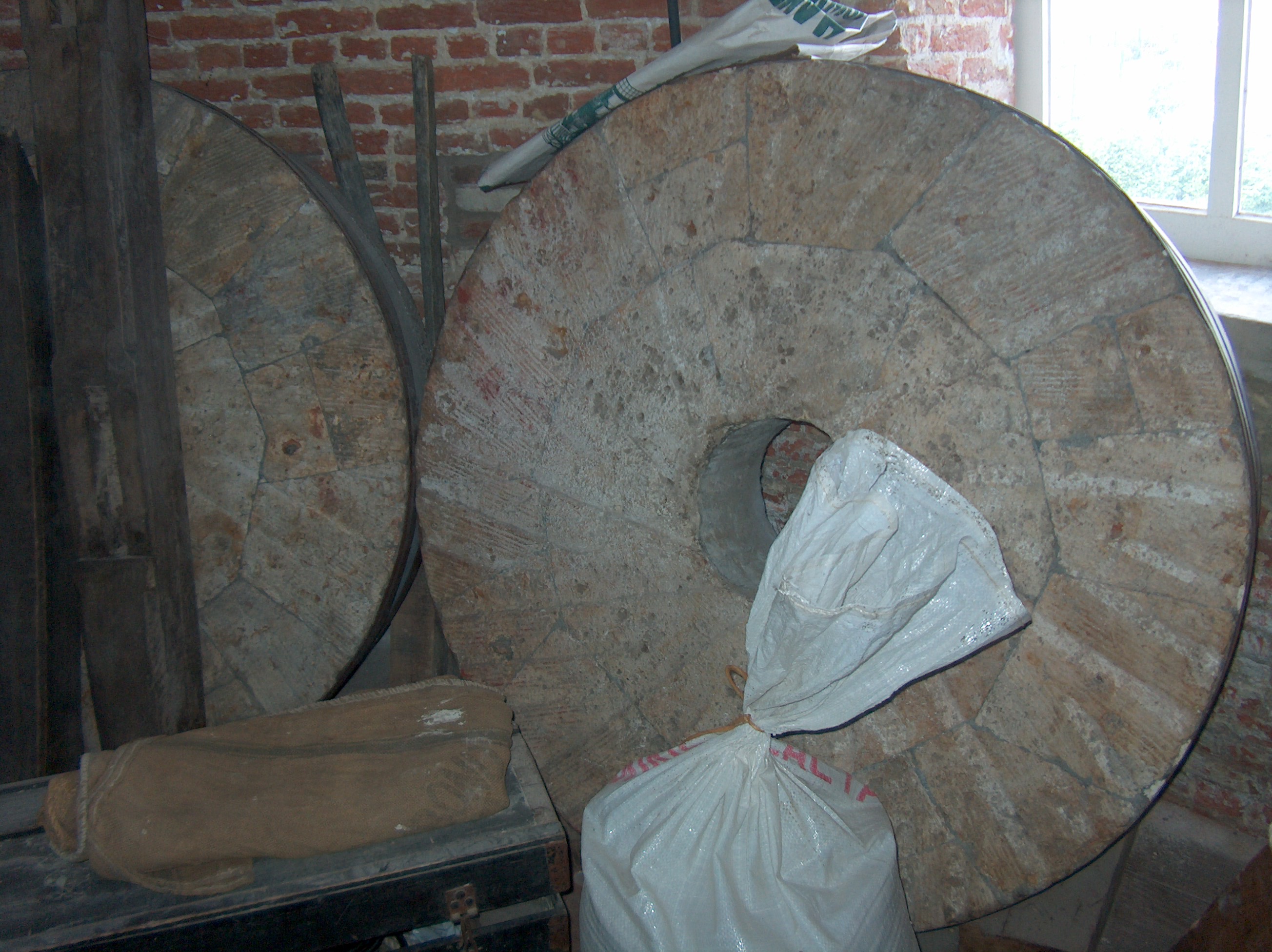
From milling contracts carved in stone to the miller's social standing in the village hierarchy — the cultural weight carried by a turning millstone.
The Apennine watershed contains some of the densest concentrations of medieval mill sites in Europe. Many structures survive as ruins, some as working restorations. Tracking them requires reading both landscape and archive.
Read ArticleItalian millers were pragmatic engineers. Seasonal flow patterns across Umbria, Tuscany, and Emilia-Romagna demanded inventive approaches to water retention — canale di derivazione, fosso di mulino, and chiusa di legno.
Read ArticleRecurring patterns across regions, periods, and construction types.
Wheel Types
Overshot, undershot, and breastshot configurations each suited different stream gradients and flow volumes across Italy's varied terrain.
Millstone Sourcing
Central Italian millers favored local sandstone and imported French buhrstone — each material leaving distinct marks on flour texture and grinding rate.
Water Rights
Medieval and Renaissance municipalities issued formal concessioni d'acqua governing who could draw from a stream and during which hours.
Across medieval central Italy, the miller occupied a position unlike any other village tradesman. He held access to the stream, controlled throughput of the community's grain supply, and often acted as informal credit provider. Documents from 13th-century Umbrian communes describe the miller as both essential and suspected — a figure whose proximity to water and grain invited both dependency and distrust.
Read the full articleSeveral river systems played outsized roles in the development of mill technology across the peninsula.

Nera River, Umbria
The Nera and its tributaries powered dozens of mills between Terni and Norcia. The Cascata delle Marmore itself is a Roman-era diversion — one of the earliest recorded water engineering projects in Italy.

Sagittario, Abruzzo
The narrow Sagittario gorge in Abruzzo channeled fast, cold water through limestone terrain ideally suited to high-head mill installations. Several sites remain partially intact.
Naviglio Grande, Lombardy
Begun in the 12th century, the Naviglio Grande was as much a milling infrastructure as a transport canal. Dozens of mill installations were built along its banks through the medieval and early modern periods.
The information in this archive draws on published academic work in Italian hydraulic history, regional cadastral surveys, and site-level documentation from Italian heritage bodies including the Ministero della Cultura and regional soprintendenze. Where data is partial or contested, this is noted in the text.
External references link to MiC (Ministero della Cultura), ISTAT, and peer-reviewed journals in historical geography.

For corrections, source suggestions, or general correspondence about the archive.
Editorial Email
info@rillhouse.euPhone
+39 06 5123 4567Address
Via dei Mulini 14
00184 Roma RM
Italy
Company
Rillhouse Editorial SRL
P.IVA IT03456789012
Three long-form articles covering architecture, hydraulic engineering, and rural social history.
Start Reading